The dynasties
A dynasty is a family that keeps power from one generation to the next. From Clovis to Napoleon III, six great families followed one another on the throne. Switch to the kids’ version for simpler explanations.
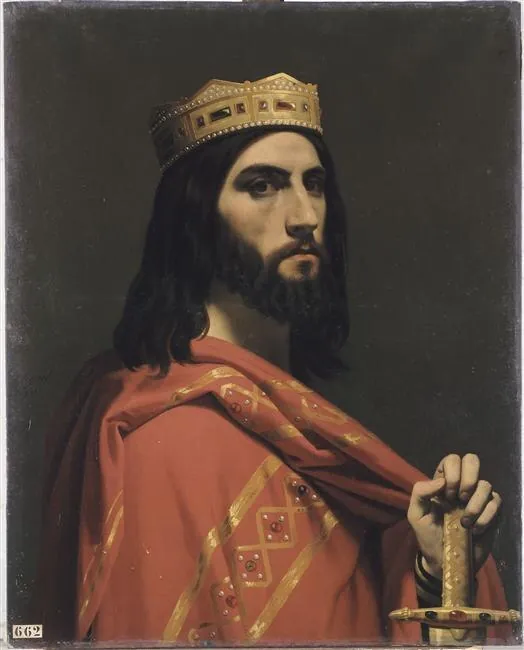
Merovingians
c. 457-751 · 8 rulers · 4 queens
The Merovingians take their name from Merovech, Clovis’s half-legendary ancestor. Coming from northern Gaul, these Frankish chiefs became masters of almost the whole country after the fall of the Western Roman Empire. Clovis, king from 481 to 511, defeated his rivals, was baptised and made Paris his capital.
The Merovingians are the very first family of kings. Their most famous leader, Clovis, united the Franks more than 1,500 years ago. When a king died, his sons shared out the kingdom… and often quarrelled!
 Childeric I
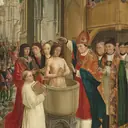 Clovis I
 Chlothar I
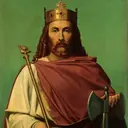 Chilperic I
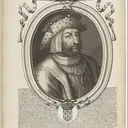 Chlothar II
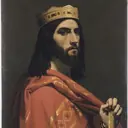 Dagobert I
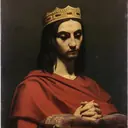 Clovis II
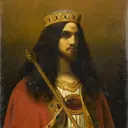 Childeric III
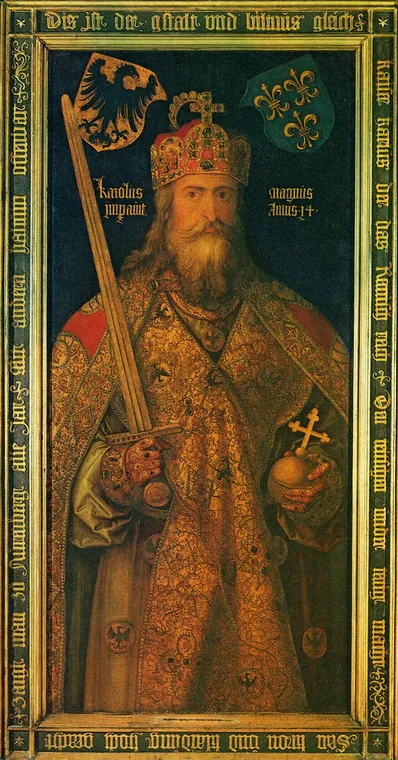
Carolingians
751-987 · 16 rulers · 1 queens
The Carolingians owe their name to Charles Martel and above all to Charlemagne (Carolus Magnus in Latin). Pepin the Short became king in 751 with the pope’s support; his son Charlemagne conquered a vast territory and was crowned emperor in Rome in 800.
The Carolingians are the family of Charlemagne, the king who became emperor in the year 800. After him, his grandsons shared out his huge empire. The western piece slowly became France.
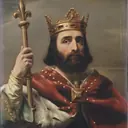 Pepin the Short
 Charlemagne
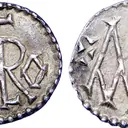 Carloman I
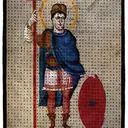 Louis the Pious
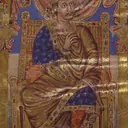 Charles the Bald
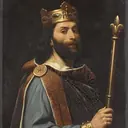 Louis II the Stammerer
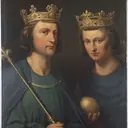 Louis III
 Carloman II
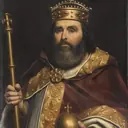 Charles the Fat
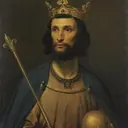 Odo
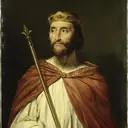 Charles III the Simple
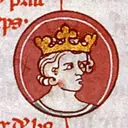 Robert I
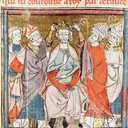 Rudolph
 Louis IV from Overseas
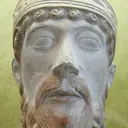 Lothair
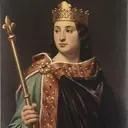 Louis V
Direct Capetians
987-1328 · 15 rulers · 5 queens
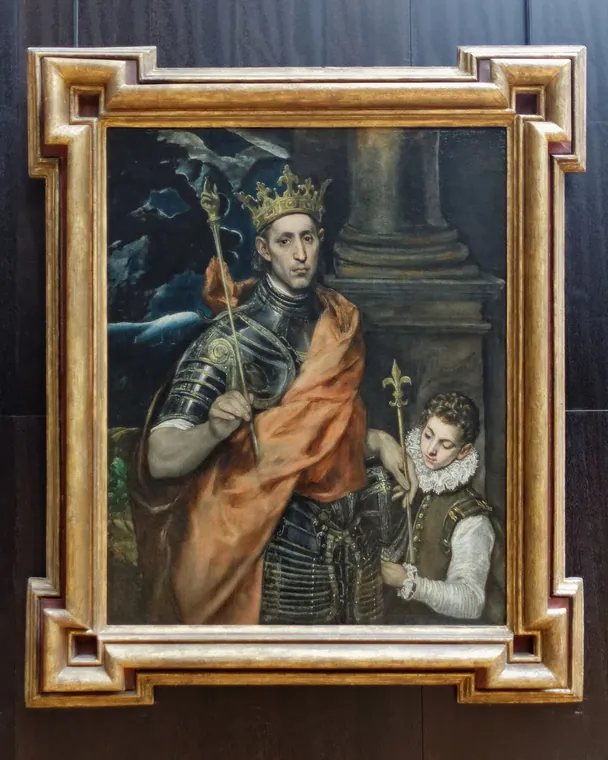
In 987 Hugh Capet was elected king by the great lords of the kingdom. To avoid any dispute, he had his son crowned during his own lifetime, a habit his successors kept for two centuries. From father to son, without a break, fifteen kings followed one another until 1328: historians speak of the “Capetian miracle”.
With the Capetians, the son always takes his father’s place: fifteen kings in a row! They enlarged the kingdom little by little. The most famous is Saint Louis, known for his fairness.
 Hugh Capet
 Robert II
 Henry I
 Philip I
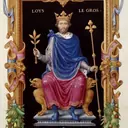 Louis VI
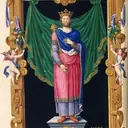 Louis VII
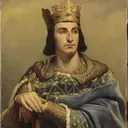 Philip II Augustus
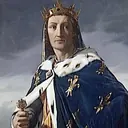 Louis VIII
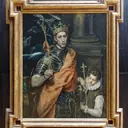 Louis IX
 Philip III
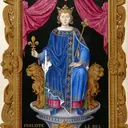 Philip IV
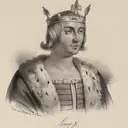 Louis X
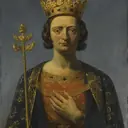 Philip V
 John I
 Charles IV
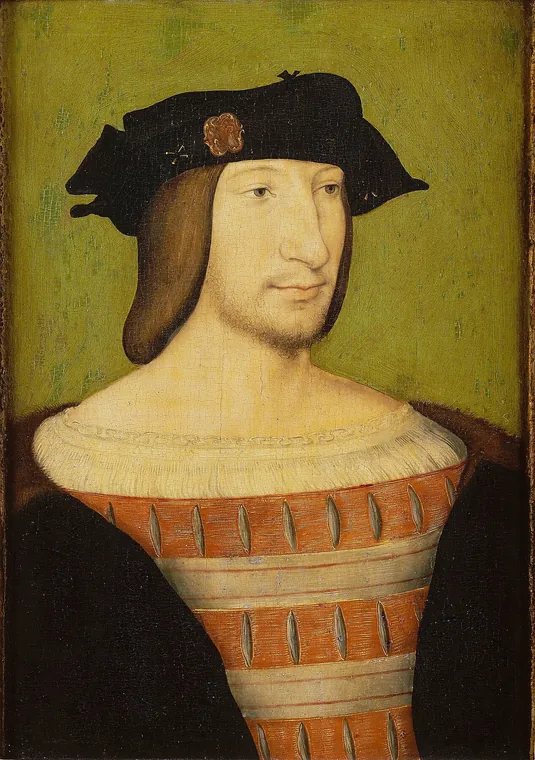
Valois
1328-1589 · 13 rulers · 6 queens
The Valois, cousins of the last direct Capetians, came to the throne in 1328. Their beginnings were terrible: defeats by the English at Crécy and Poitiers, the Black Death, a king taken prisoner, then the madness of Charles VI. With Joan of Arc, Charles VII regained the upper hand and the Hundred Years’ War ended in 1453.
The Valois reigned during the Hundred Years’ War against the English, then during the Renaissance, when the beautiful Loire châteaux were built. Francis I, Leonardo da Vinci’s friend, is the most famous of them.
 Philip VI
 John II
 Charles V
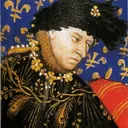 Charles VI
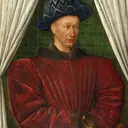 Charles VII
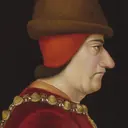 Louis XI
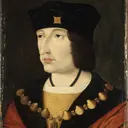 Charles VIII
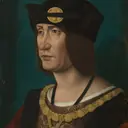 Louis XII
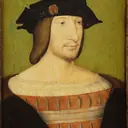 Francis I
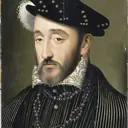 Henry II
 Francis II
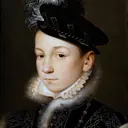 Charles IX
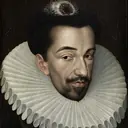 Henry III
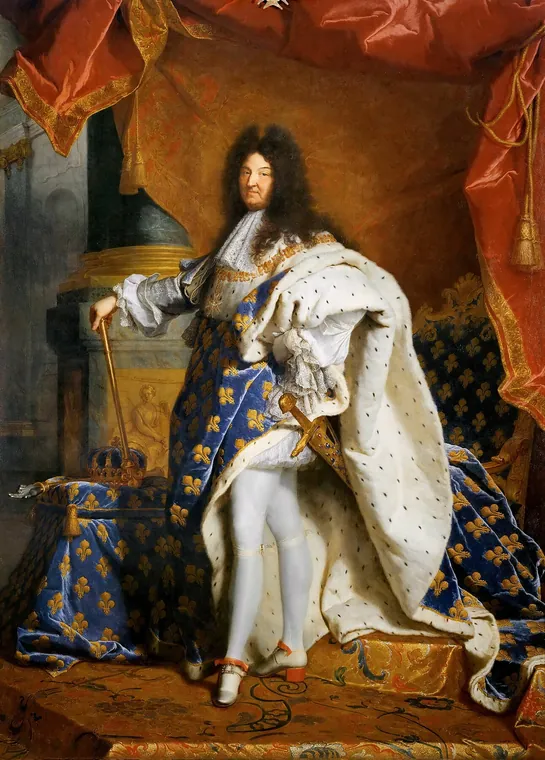
Bourbons
1589-1848 · 9 rulers · 7 queens
The Bourbons descend from Robert of Clermont, a son of Saint Louis. Henry IV, king of Navarre and a Protestant, became king of France in 1589, converted to Catholicism and ended the Wars of Religion with the Edict of Nantes (1598).
The Bourbons are the family of Louis XIV, the Sun King, who had the Palace of Versailles built. Their reign was interrupted by the French Revolution, then they came back for a few years after Napoleon.
 Henry IV
 Louis XIII
 Louis XIV
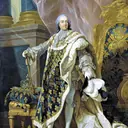 Louis XV
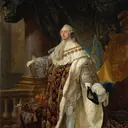 Louis XVI
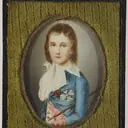 Louis XVII
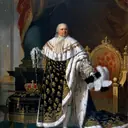 Louis XVIII
 Charles X
 Louis Philippe I
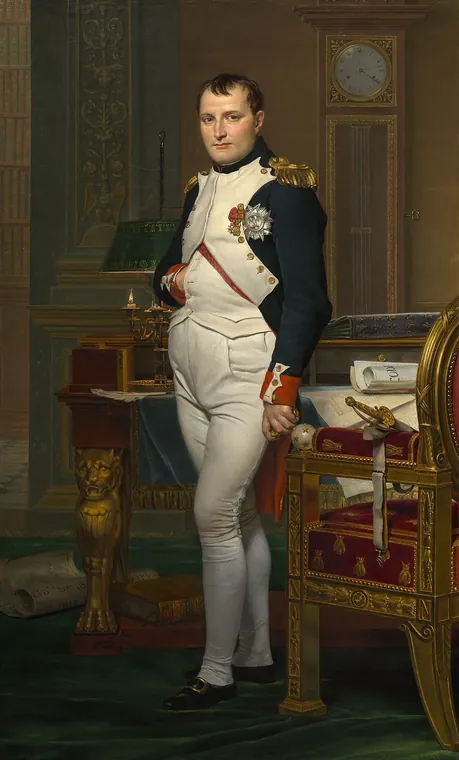
Bonaparte
1804-1870 · 3 rulers · 3 queens
The Bonapartes were a family of minor Corsican nobility. Napoleon Bonaparte, a victorious general of the Revolution, seized power in the coup of 18 Brumaire (1799), then was crowned Emperor of the French at Notre-Dame in 1804. He reorganised France (Civil Code, prefects, lycées) and dominated Europe before being defeated in 1814 and then at Waterloo in 1815.
The Bonapartes are not kings but emperors. Napoleon I, a small general who became master of Europe, is one of the most famous people in the world. His nephew, Napoleon III, was France’s last monarch.
 Napoleon I
 Napoleon II
 Napoleon III