The kings and queens of France
64 kings and emperors, 26 queens and regents, fourteen centuries of history: their lives, their reigns, their families and their secrets, with a version for children.
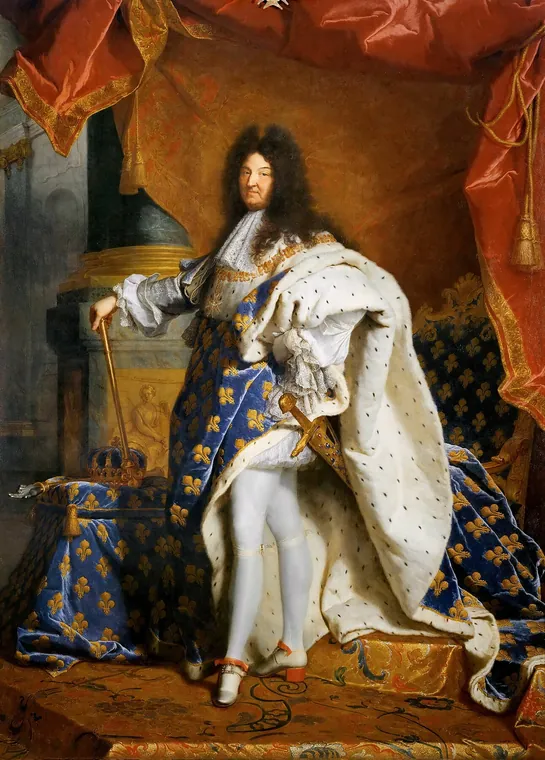
All the rulers
Filter by dynasty, century or title, or search for a name, a nickname or a place.
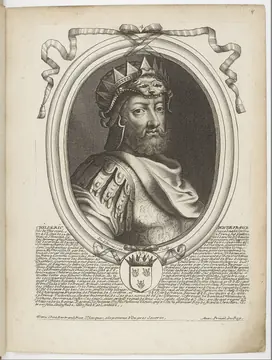 c. 457–481
Childeric I
Childeric I was the chief of the Salian Franks settled around Tournai, in present-day Belgium. An ally of the last Roman generals in Gaul, he fought alongside them against the Visigoths and the Saxons. He is the first Frankish king whose grave is known.
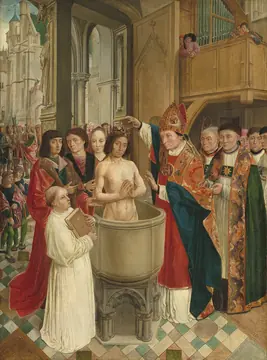 481–511
Clovis I
Clovis became king of the Salian Franks at about fifteen. In thirty years of wars he brought almost all of Gaul under his rule. His Catholic baptism at Reims won him the support of the bishops and the Gallo-Roman population. He is often presented as the first king of France.
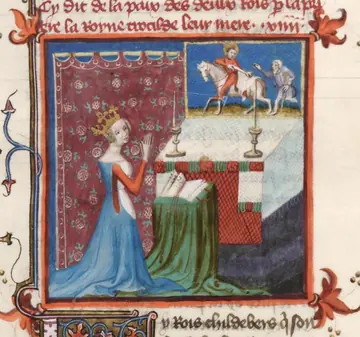 c. 493–511
Clotilde
Saint ClotildeA Burgundian princess and a Catholic Christian, Clotilde married Clovis around 493. According to tradition, she played a big part in his conversion. Widowed in 511, she withdrew to Tours, near the tomb of Saint Martin, where she died in 545. She is honoured as a saint.
 511–558, 558–561
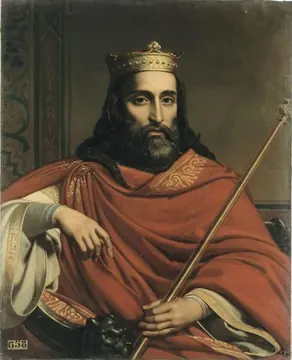
Chlothar I
the OldWhen Clovis died, Chlothar received the kingdom of Soissons. For almost fifty years he made war on the Thuringians, the Burgundians and sometimes his own brothers and nephews. Outliving his whole family, he reigned alone over the Franks from 558 until his death in 561.
 561–584
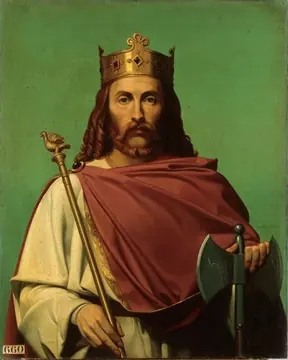
Chilperic I
The son of Chlothar I, Chilperic received the north-western part of the kingdom, the future Neustria, in 561. His reign was dominated by a merciless war against his brother Sigebert and Sigebert’s wife, Brunhild. He was murdered in 584.
 567–575, 575–613
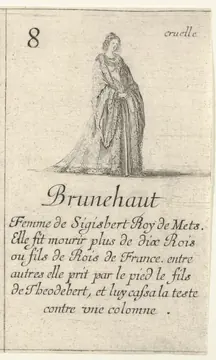
Brunhilda
The daughter of the Visigothic king of Spain, Brunhild married Sigebert I, king of Austrasia, in 567. After her husband’s murder she ruled for her son, her grandsons and her great-grandson. Her rivalry with Fredegund bloodied the Frankish kingdom for decades.
 c. 568–584, 584–597
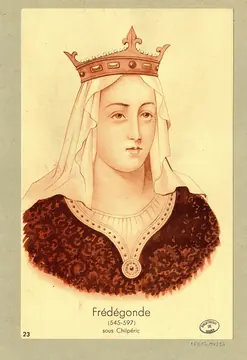
Fredegund
First a servant of Chilperic’s first wife, Fredegund became his companion and then his queen. The chronicles blame her for many murders, including that of King Sigebert. Widowed in 584, she ruled skilfully in the name of her son Chlothar II until her death in 597.
 584–613, 613–629
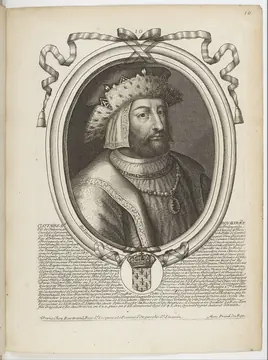
Chlothar II
the GreatThe son of Chilperic and Fredegund, Chlothar II became king of Neustria in 584 as a baby, under his mother’s protection. After years of war against Brunhild’s descendants, he reunited the whole kingdom in 613 and ruled it until his death in 629.
 623–629, 629–639
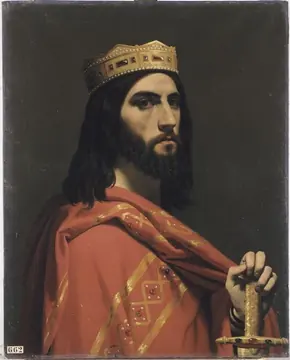
Dagobert I
good King DagobertThe son of Chlothar II, Dagobert ruled Austrasia from 623, then the whole Frankish kingdom from 629 to 639. Surrounded by advisers such as Saint Eligius, he governed a powerful and prosperous kingdom from Paris. He was the first king buried at Saint-Denis.
 639–657
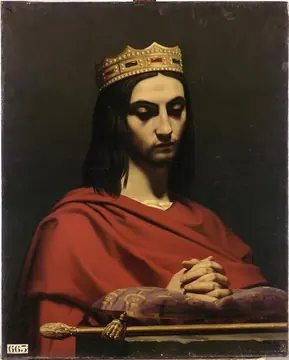
Clovis II
The son of Dagobert I, Clovis II became king of Neustria and Burgundy at about five, in 639. Government was in the hands of his mother Nanthild, then of the mayors of the palace. He married Bathild, a former Anglo-Saxon slave, and died at about twenty-three.
 c. 648–657, 657–c. 664
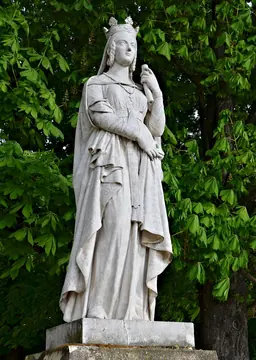
Balthild
Saint BalthildKidnapped in England and sold as a slave, Bathild entered the service of the mayor of the palace Erchinoald, then married King Clovis II around 648. Widowed in 657, she ruled in the name of her son Chlothar III, then withdrew to the abbey of Chelles, which she had founded.
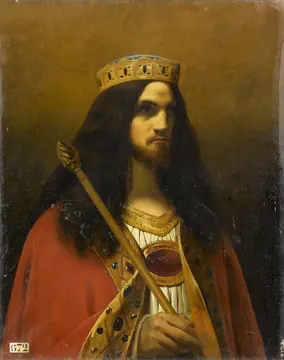 743–751
Childeric III
the last MerovingianChilderic III was placed on the throne in 743 by the mayors of the palace Carloman and Pepin, sons of Charles Martel, after several years without a king. He had no real power. In 751 Pepin had him deposed, his hair cut and shut away in a monastery, and took his place.
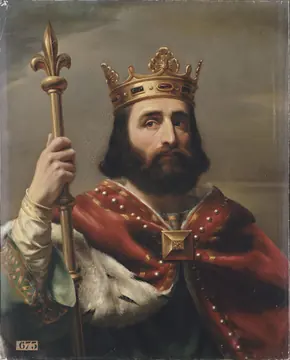 751–768
Pepin the Short
The son of Charles Martel, Pepin governed the Frankish kingdom as mayor of the palace before deposing the last Merovingian king in 751. The first Frankish king to be anointed with holy oil, he allied with the pope, fought the Lombards in Italy and conquered Aquitaine. He left a powerful kingdom to his sons Charlemagne and Carloman.
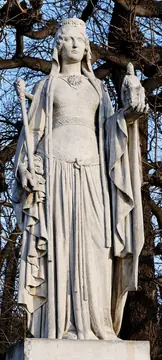 751–768
Bertrada of Laon
Bertha BroadfootThe daughter of Count Charibert of Laon, Bertrada married Pepin the Short around 744. Anointed queen with him by the pope in 754, she was the mother of Charlemagne and Carloman. Widowed in 768, she tried to reconcile her two rival sons and remained respected at court until her death in 783.
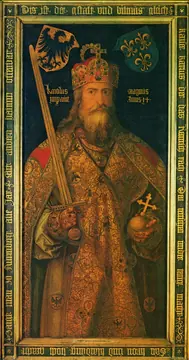 768–814, 774–814, 800–814
Charlemagne
Charles the GreatThe son of Pepin the Short, Charlemagne reigned for forty-six years. He conquered Lombardy, Saxony and Bavaria, brought much of western Europe under his rule and was crowned emperor in Rome in 800. He encouraged learning and teaching: this is the “Carolingian renaissance”.
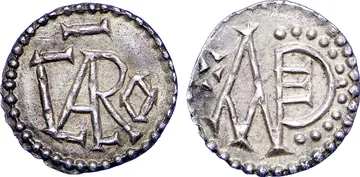 768–771
Carloman I
The son of Pepin the Short, Carloman received half the kingdom in 768, from Burgundy to Provence and Alsace, while his brother Charlemagne got the other half. The two brothers got on badly. Carloman died suddenly in 771, at twenty, and Charlemagne immediately took over his lands.
 814–840
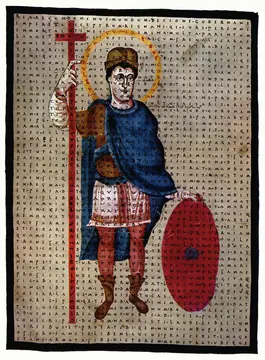
Louis the Pious
the DebonairCharlemagne’s only surviving son, Louis became emperor in 814. Deeply religious, he reformed the Church and the monasteries and wanted to keep the empire united. But his plans to share it between his sons sparked family wars: he was even deposed for a time in 833 before regaining his throne.
 843–877, 875–877
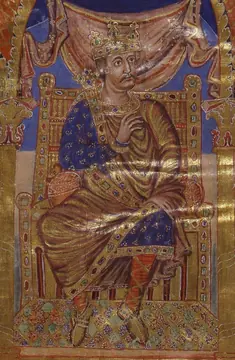
Charles the Bald
A grandson of Charlemagne, Charles received West Francia, which would become France, at the Treaty of Verdun in 843. He had to face Viking raids, revolts by the great lords and his brothers’ ambitions. Crowned emperor in 875, he died two years later on his way back from Italy.
 877–879
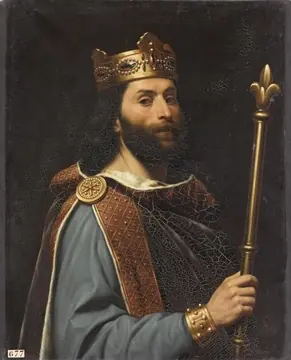
Louis II the Stammerer
Louis II succeeded his father in 877. In poor health and with a stammer, he had to buy the loyalty of the great lords by handing out lands and offices. Crowned twice, at Compiègne and then by the pope at Troyes, he died as early as 879, aged thirty-two, leaving two young sons and a child on the way.
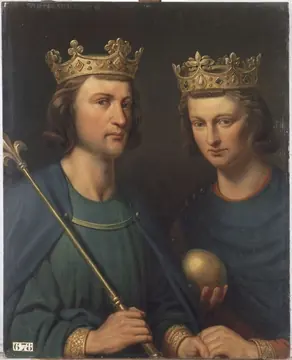 879–882
Louis III
The eldest son of Louis II the Stammerer, Louis III became king in 879 at about fifteen and shared the kingdom with his brother Carloman II. In 881 he won a great victory over the Vikings at Saucourt-en-Vimeu, celebrated in a poem. He died the following year in an accident.
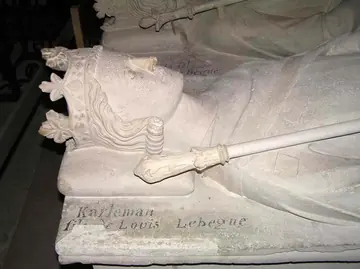 879–884
Carloman II
The son of Louis II the Stammerer, Carloman II shared the kingdom with his brother Louis III from 879, then reigned alone after Louis’s death in 882. He fought the Vikings and a rival, Boso, who had proclaimed himself king of Provence. He died in 884, wounded during a boar hunt.
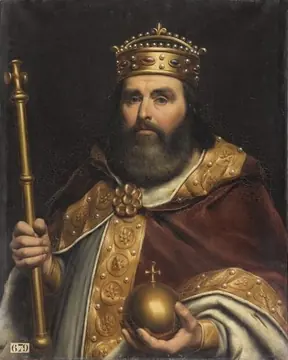 884–887, 881–887
Charles the Fat
A great-grandson of Charlemagne, Charles the Fat was king of Alemannia and Italy, emperor, then king of East Francia. In 884 the great lords of West Francia called on him in turn: he then reigned over almost the whole former empire. But his conduct during the siege of Paris discredited him, and he was deposed in 887.
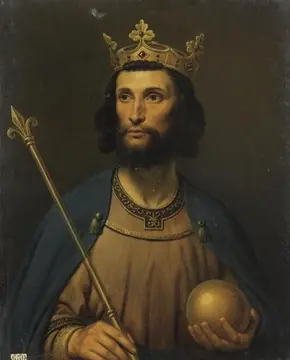 888–898
Odo
the defender of ParisThe son of Robert the Strong, Odo was count of Paris when the Vikings besieged the city in 885. His heroic defence made him famous. In 888, after Charles the Fat was deposed, the great lords elected him king. He later had to share power with the Carolingian Charles the Simple, who succeeded him in 898.
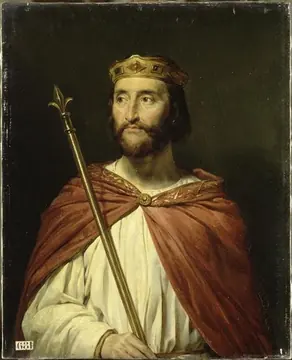 898–922
Charles III the Simple
The posthumous son of Louis II the Stammerer, Charles was crowned in 893 against King Odo, then reigned alone from 898. In 911 he entrusted the Viking chief Rollo with a region around Rouen: this was the birth of Normandy. Overthrown by the great lords in 922, he died a prisoner in 929.
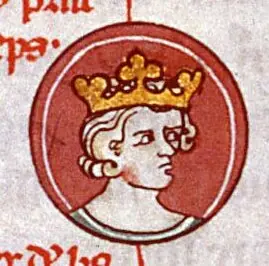 922–923
Robert I
The son of Robert the Strong and younger brother of Odo, Robert was one of the most powerful lords in the kingdom. In 922 the great lords, in revolt against Charles the Simple, elected him king. He was killed in 923 at the battle of Soissons, which his side nonetheless won. He was Hugh Capet’s grandfather.
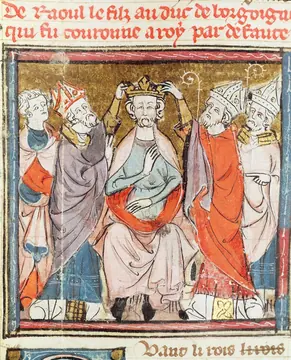 923–936
Rudolph
Rudolph of BurgundyThe son of Duke Richard the Justiciar of Burgundy and husband of Emma, Robert I’s daughter, Rudolph was elected king after his father-in-law’s death in 923. For thirteen years he had to fight the Vikings and rebellious lords, while the former king Charles the Simple remained a prisoner. He died childless in 936.
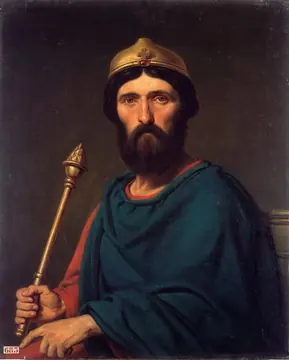 936–954
Louis IV from Overseas
The son of Charles the Simple, Louis was taken to England as a child when his father was captured. Recalled in 936 by Hugh the Great, he was crowned at Laon. Brave and stubborn, he fought for eighteen years to keep his authority. He died in 954 after a fall from his horse.
 954–986
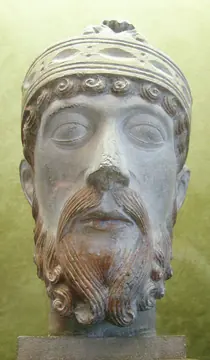
Lothair
The son of Louis IV, Lothair became king in 954 at thirteen, under the protection of Hugh the Great. As an adult he sought to reconquer Lorraine, the land of his ancestors. In 978 he swooped on Aachen by surprise and almost captured Emperor Otto II. He died at Laon in 986.
 986–987
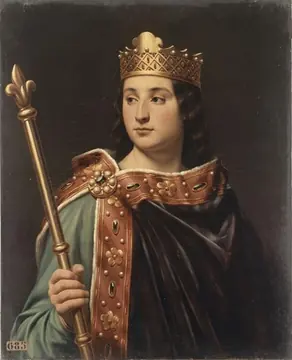
Louis V
the Do-NothingThe son of Lothair, Louis V was made co-king by his father in 979, then reigned alone from 986. His reign lasted only fourteen months: he died in May 987 after a fall while hunting in the forest of Senlis, without children. His death opened the way to the election of Hugh Capet.
 987–996
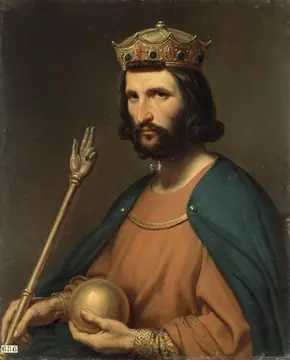
Hugh Capet
The son of Hugh the Great, duke of the Franks, Hugh was elected king at Senlis in 987, after the death of Louis V. His real power was limited to a few regions around Paris and Orléans, but he took a crucial decision: to have his son Robert crowned during his own lifetime to secure his succession. He died in 996.
 996–1031
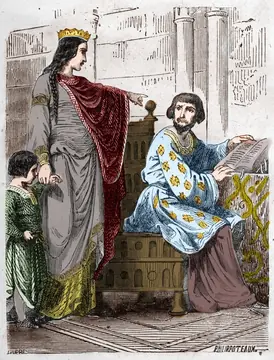
Robert II
the PiousThe son of Hugh Capet, Robert was crowned as early as 987 and reigned alone from 996 to 1031. A pupil of the scholar Gerbert of Aurillac, he loved sacred music and prayer, hence his nickname “the Pious”. He conquered the duchy of Burgundy, but his three marriages and his sons’ revolt disturbed his reign.
 1031–1060
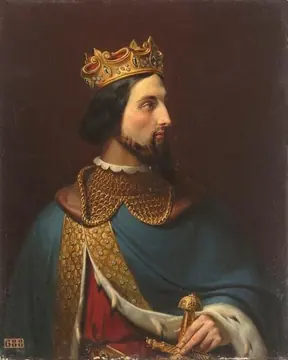
Henry I
The son of Robert II, Henry I reigned from 1031 to 1060. He began by fighting his mother and younger brother, to whom he had to give up Burgundy. He then fought Duke William of Normandy, the future conqueror of England. Remarried to Anne of Kyiv, he was the father of Philip I.
 1051–1060, 1060–c. 1061
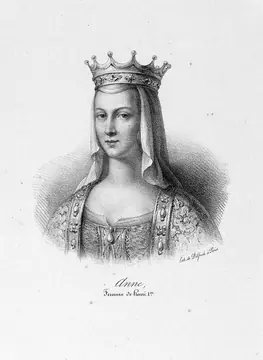
Anne of Kyiv
The daughter of Grand Prince Yaroslav the Wise of Kyiv, Anne married Henry I in 1051. Mother of the future Philip I, she took part in government after her husband’s death. Her remarriage to Count Ralph of Crépy caused a scandal. She founded the abbey of Saint-Vincent at Senlis.
 1060–1108
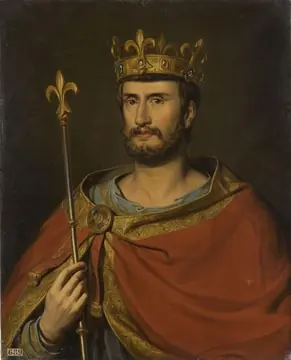
Philip I
the AmorousThe son of Henry I and Anne of Kyiv, Philip was king at seven and reigned from 1060 to 1108, one of the longest reigns in French history. He did not take part in the First Crusade, because he had been excommunicated for carrying off and marrying Bertrade of Montfort, wife of the count of Anjou. Yet he patiently enlarged the royal domain.
 1108–1137
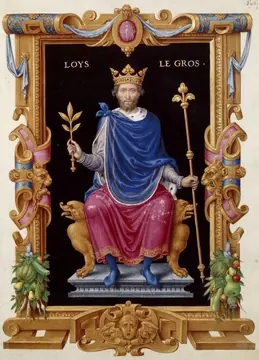
Louis VI
the FatThe son of Philip I, Louis VI reigned from 1108 to 1137. He spent his reign on horseback bringing to heel the plundering lords who threatened the roads around Paris. Advised by Abbot Suger, he defended the kingdom against the emperor in 1124 and married his son to the rich heiress Eleanor of Aquitaine.
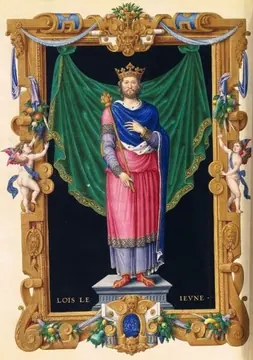 1137–1180
Louis VII
the YoungThe younger son of Louis VI, Louis VII became heir on his brother’s accidental death, then king in 1137. Married to Eleanor of Aquitaine, he set off with her on the Second Crusade, which failed. Their marriage was annulled in 1152: Eleanor married Henry Plantagenet, who became far more powerful than the king of France.
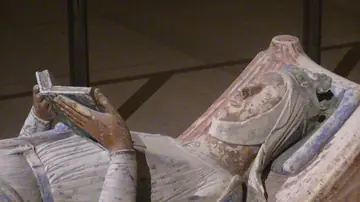 1137–1152, 1154–1189
Eleanor of Aquitaine
Heiress to the rich duchy of Aquitaine, Eleanor married Louis VII in 1137 and became queen of France. After her marriage was annulled in 1152, she married Henry Plantagenet, the future king of England. Mother of ten children, including two kings of England, she played a leading political role until she was over eighty.
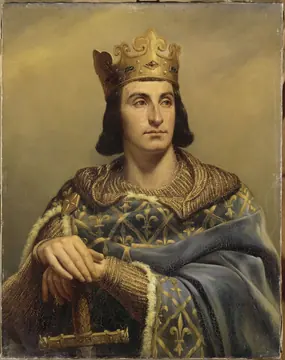 1180–1223
Philip II Augustus
Philip AugustusThe son of Louis VII, Philip Augustus reigned from 1180 to 1223. He wrested Normandy, Anjou, Maine and Touraine from the kings of England, then triumphed at Bouvines in 1214 over a coalition led by the emperor. He surrounded Paris with a wall, built the Louvre and gave the kingdom a real administration.
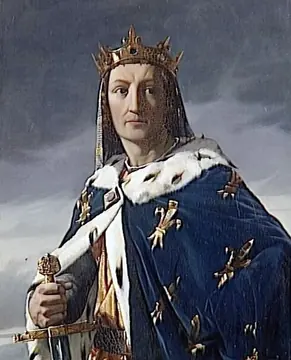 1223–1226
Louis VIII
the LionThe son of Philip Augustus, Louis VIII reigned for only three years, from 1223 to 1226. Before becoming king, he was called in by rebel English barons and entered London in 1216. As king he conquered Poitou, then led a crusade in Languedoc. He died of illness on the way home.
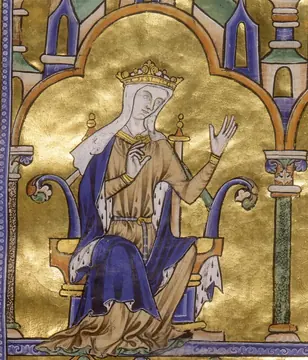 1223–1226, 1226–c. 1235, 1248–1252
Blanche of Castile
A princess of Castile, Blanche married the future Louis VIII in 1200. Widowed in 1226, she became regent for her son Louis IX, aged twelve, and stood up to the rebellious barons. She governed the kingdom again from 1248 until her death in 1252, while her son was on crusade.
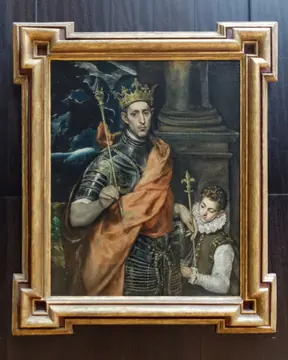 1226–1270
Louis IX
Saint LouisThe son of Louis VIII and Blanche of Castile, Louis IX became king at twelve and reigned from 1226 to 1270. Deeply religious, he wanted to rule according to Christian justice: he reformed the administration, made peace with England and led two crusades. He died outside Tunis and was canonised in 1297.
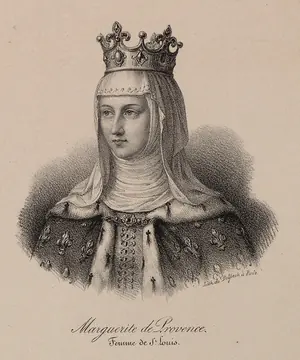 1234–1270
Margaret of Provence
The eldest daughter of the count of Provence, Margaret married Louis IX in 1234 at thirteen. She gave him eleven children. During the Egyptian crusade, while the king was a prisoner, she held the city of Damietta and gathered the ransom. Widowed in 1270, she lived for another twenty-five years.
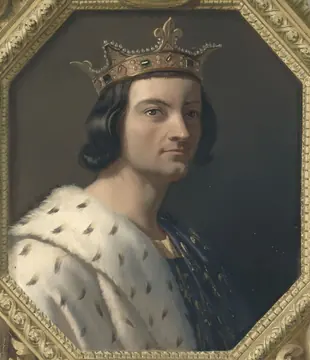 1270–1285
Philip III
the BoldThe son of Saint Louis, Philip III became king in 1270 outside Tunis, where his father had just died. During his fifteen-year reign he inherited the county of Toulouse and prepared the joining of Champagne by marrying his son to the heiress of Navarre. He died in 1285 on the way back from an expedition against the king of Aragon.
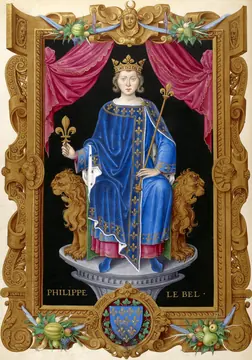 1285–1314, 1284–1305
Philip IV
the FairThe son of Philip III, Philip the Fair reigned from 1285 to 1314. Surrounded by lawyers such as Guillaume de Nogaret, he strengthened the king’s authority over the pope, the great lords and the towns. He clashed with Pope Boniface VIII, had the Templars arrested in 1307 and raised new taxes. His reign is one of the most significant of the Middle Ages.
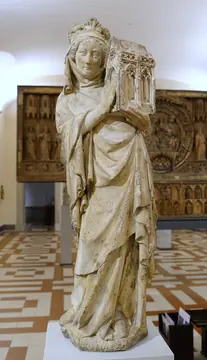 1285–1305, 1274–1305
Joan of Navarre
Joan I of NavarreHeiress to the kingdom of Navarre and the county of Champagne from the age of one, Joan was brought up at the French court and married the future Philip the Fair in 1284. Queen of France at twelve, she governed Champagne herself. The mother of three kings of France, she founded the Collège de Navarre in Paris.
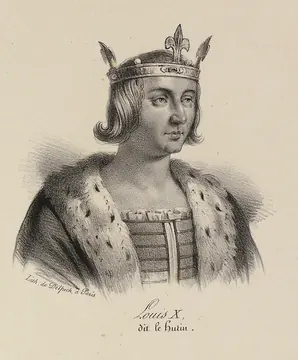 1314–1316, 1305–1316
Louis X
the QuarrellerKing of Navarre in 1305, then king of France in 1314, Louis X reigned for only eighteen months. He faced discontent caused by his father’s policies and a terrible famine. He died suddenly in 1316, leaving a daughter and a child on the way: his succession raised for the first time the question of women on the throne.
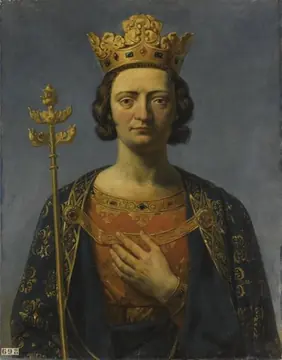 1316–1322
Philip V
the TallRegent after Louis X’s death, Philip became king in 1316 when little John I died. He had himself crowned despite the rights of his niece Joan, and an assembly declared that women did not succeed to the throne. A hard-working, reforming king, he died in 1322 without a son.
 1316
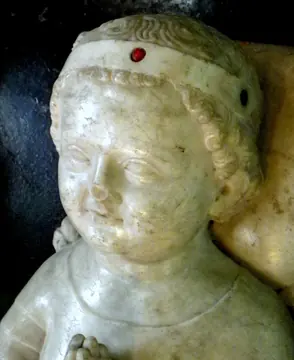
John I
the PosthumousThe posthumous son of Louis X and Clementia of Hungary, John I was king from his birth on 15 November 1316. He died five days later, on 20 November. His uncle Philip, the regent, then became King Philip V. John I had the shortest reign of any king of France.
 1322–1328
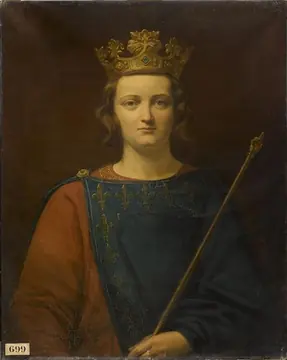
Charles IV
the FairPhilip the Fair’s third son, Charles IV reigned from 1322 to 1328. He married three times in the hope of an heir. He fought England in Guyenne in the War of Saint-Sardos. When he died he left only a daughter, born after him: the dynasty of the direct Capetians died out.
 1328–1350
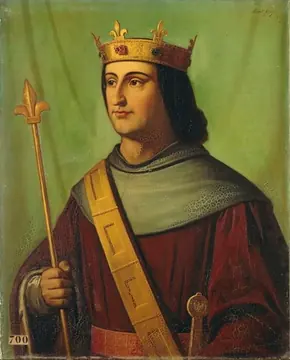
Philip VI
of ValoisA nephew of Philip the Fair, Philip of Valois was chosen as king in 1328, on the death of his cousin Charles IV, in preference to King Edward III of England. His reign saw the start of the Hundred Years’ War, the defeat at Crécy, the loss of Calais and the Black Death. Yet he enlarged the kingdom with the Dauphiné and Montpellier.
 1350–1364
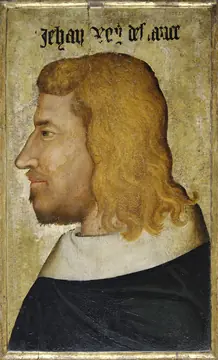
John II
the GoodThe son of Philip VI, John II the Good reigned from 1350 to 1364, in the thick of the Hundred Years’ War. Defeated and captured by the English at Poitiers in 1356, he spent four years as a prisoner in London. To pay his enormous ransom, a new coin was created: the franc. He died in London in 1364.
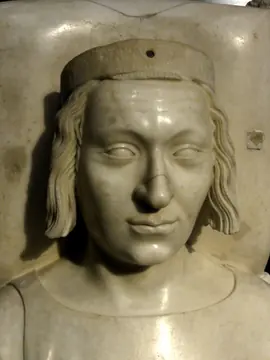 1364–1380
Charles V
the WiseThe first Dauphin of France, Charles V first governed during his father’s captivity, amid revolts. King from 1364 to 1380, he restored the kingdom: with Constable Du Guesclin he took back most of the English conquests without fighting a great battle. A learned man, he gathered a great library at the Louvre.
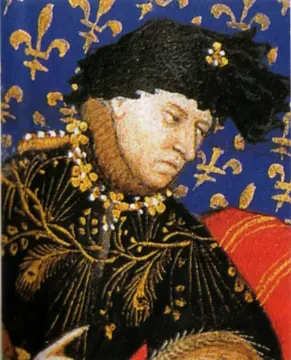 1380–1422
Charles VI
the Beloved or the MadKing at eleven, Charles VI reigned from 1380 to 1422. In 1392 he was struck by a fit of madness, the first of a long series. During his absences his uncles and brother fought over power: the civil war between Armagnacs and Burgundians. The English took advantage and triumphed at Agincourt in 1415.
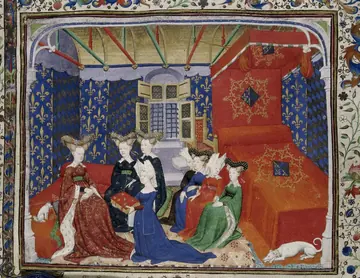 1385–1422
Isabeau of Bavaria
A Bavarian princess, Isabeau married Charles VI in 1385. When the king sank into madness, she was called upon to preside over the council and arbitrate between rival princes. Allied with the duke of Burgundy, she approved in 1420 the Treaty of Troyes, which disinherited her son. She died in Paris in 1435.
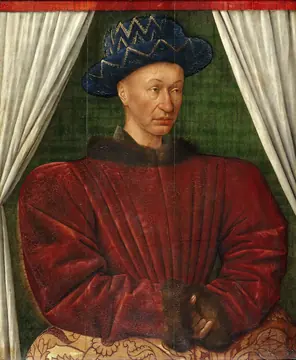 1422–1461
Charles VII
the VictoriousDisinherited by the Treaty of Troyes, the Dauphin Charles proclaimed himself king in 1422 but controlled only the lands south of the Loire. In 1429 Joan of Arc relieved Orléans and led him to Reims to be crowned. He then reconquered Paris, Normandy and Guyenne: in 1453 the Hundred Years’ War came to an end.
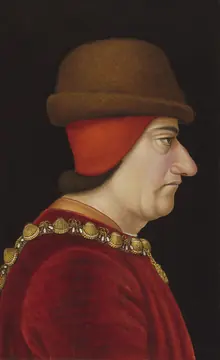 1461–1483
Louis XI
the PrudentThe rebellious son of Charles VII, Louis XI reigned from 1461 to 1483. Suspicious, hard-working and cunning, he preferred diplomacy and money to battles. He got the better of the coalition of great lords and above all of the duke of Burgundy, Charles the Bold. At his death the kingdom had gained Burgundy, Picardy, Anjou, Maine and Provence.
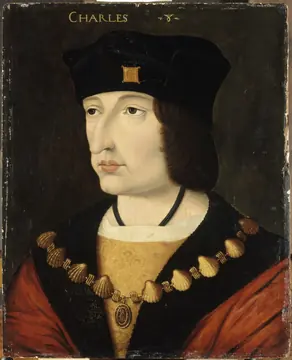 1483–1498
Charles VIII
the AffableThe son of Louis XI, Charles VIII became king at thirteen, under the guardianship of his sister Anne of Beaujeu. In 1491 he married Anne of Brittany. In 1494 he launched the Italian Wars and entered Naples, but soon had to leave. He died in 1498 at Amboise after hitting his head on a doorway.
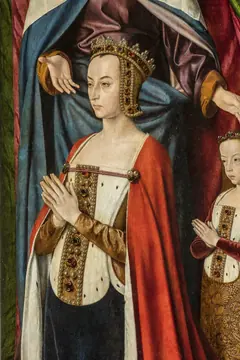 1483–1491
Anne of Beaujeu
Anne of FranceLouis XI’s eldest daughter, Anne of France, Lady of Beaujeu, was in practice regent from 1483 to 1491 for her brother Charles VIII, with her husband Peter of Bourbon. Skilful and firm, she defeated the revolt of the great lords led by the future Louis XII and married her brother to the heiress of Brittany.
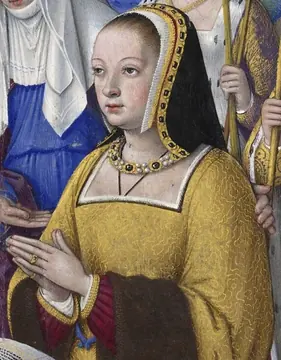 1491–1498, 1488–1514, 1499–1514
Anne of Brittany
the duchess in clogsHeiress to the duchy of Brittany at eleven, Anne had to marry King Charles VIII in 1491, whose army had invaded her duchy. Widowed in 1498, she married his successor, Louis XII. Twice queen of France, she defended Brittany’s autonomy and kept a brilliant court. She died in 1514.
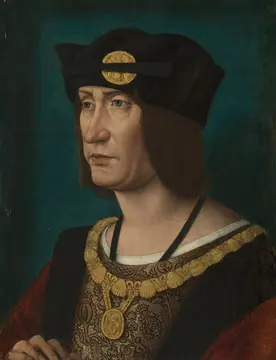 1498–1515
Louis XII
the Father of the PeopleCharles VIII’s cousin, Louis of Orléans became king in 1498 as Louis XII. He had his first marriage annulled to marry Anne of Brittany, conquered the duchy of Milan and then lost it. In France he governed with moderation and lowered taxes: in 1506 the Estates General gave him the title “Father of the People”.
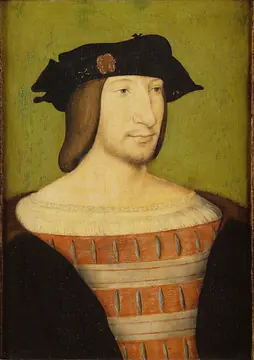 1515–1547
Francis I
the Knight KingLouis XII’s cousin and son-in-law, Francis I reigned from 1515 to 1547. A dashing knight, he triumphed at Marignano in 1515, but was taken prisoner at Pavia in 1525 by his great rival, Emperor Charles V. A patron of the arts and letters, he brought Leonardo da Vinci to France, built Chambord and imposed French in official acts.
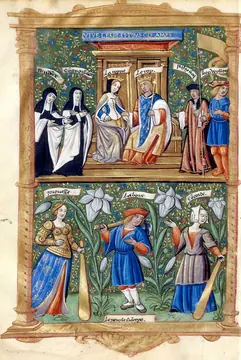 1515–1524, 1514–1524
Claude of France
Queen ClaudeThe eldest daughter of Louis XII and Anne of Brittany, Claude inherited the duchy of Brittany on her mother’s death in 1514 and that same year married her cousin Francis of Angoulême, who became king in 1515. Quiet and often pregnant, she gave the king seven children in nine years and died at twenty-four.
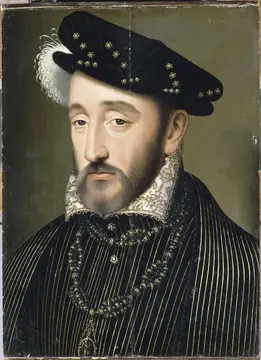 1547–1559
Henry II
The son of Francis I, Henry II reigned from 1547 to 1559. He took Metz, Toul and Verdun from the Empire in 1552 and retook Calais from the English in 1558. In 1559 the Peace of Cateau-Cambrésis ended the Italian Wars. A few weeks later he was fatally wounded in the eye during a tournament.
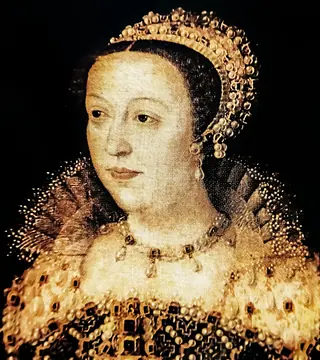 1547–1559, 1560–1563
Catherine de’ Medici
Heiress of the Medici of Florence, Catherine married the future Henry II in 1533. Widowed in 1559, she governed in the name of her sons Francis II, Charles IX and Henry III. She first sought to reconcile Catholics and Protestants, but her name remains linked to the St Bartholomew’s Day massacre. She died in 1589.
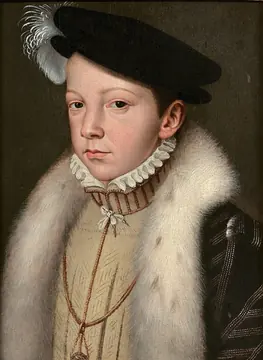 1559–1560
Francis II
The eldest son of Henry II and Catherine de’ Medici, Francis II became king in July 1559 at fifteen. Married to Mary, Queen of Scots, he let his wife’s uncles, the Guises, govern; they harshly repressed the Protestants. He died in December 1560, aged sixteen.
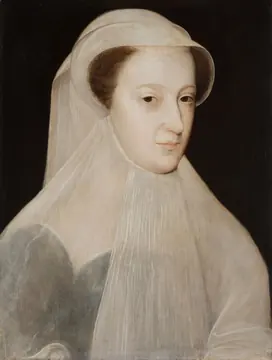 1559–1560, 1542–1567
Mary, Queen of Scots
The daughter of King James V of Scotland, Mary became queen of Scots a few days after her birth. Brought up in France, she married the future Francis II and was queen of France in 1559-1560. Widowed at eighteen, she returned to Scotland, where her reign turned to tragedy. Taking refuge in England, she was imprisoned there for nineteen years, then executed in 1587.
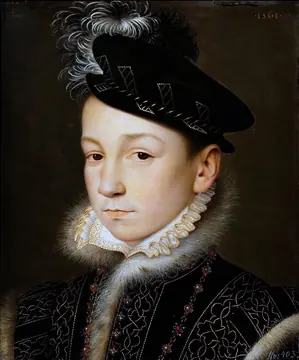 1560–1574
Charles IX
Henry II’s second son, Charles IX became king in 1560 at ten, under the regency of his mother Catherine de’ Medici. His reign was marked by the first Wars of Religion and, in 1572, by the St Bartholomew’s Day massacre. In poor health, he died in 1574 aged twenty-three.
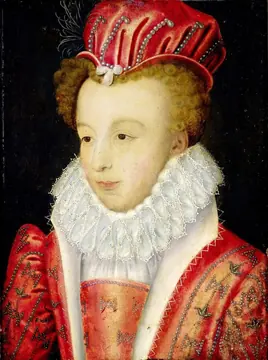 1572–1599
Margaret of Valois
Queen MargotThe daughter of Henry II and Catherine de’ Medici, Marguerite married the Protestant Henry of Navarre in 1572, six days before the St Bartholomew’s Day massacre. Their childless marriage was annulled in 1599. A cultured, independent woman, she left Memoirs, the first written by a woman in France.
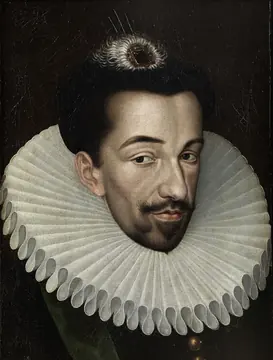 1574–1589, 1573–1575
Henry III
Henry II’s third son, Henry was elected king of Poland in 1573, then became king of France in 1574. He reigned at the height of the Wars of Religion, facing the powerful Catholic League of the duke of Guise. Driven out of Paris, he had Guise assassinated in 1588, allied with Henry of Navarre and was stabbed to death by a monk in 1589.
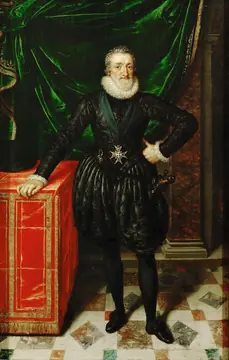 1589–1610, 1572–1610
Henry IV
the Green Gallant, good King HenryKing of Navarre and leader of the Protestants, Henry of Bourbon became king of France in 1589. He had to conquer his kingdom against the Catholic League, converted to Catholicism in 1593 and in 1598 signed the Edict of Nantes, which gave Protestants freedom of worship. With his minister Sully, he restored the country. He was assassinated in 1610.
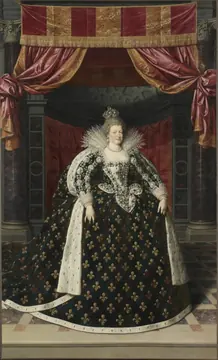 1600–1610, 1610–1614
Marie de’ Medici
A Florentine princess, Marie de’ Medici married Henry IV in 1600 and gave him six children, including Louis XIII. Crowned the day before the king’s assassination, she became regent in 1610. Pushed aside by her son in 1617, reconciled and then defeated by Richelieu on the Day of the Dupes in 1630, she died in exile in Cologne in 1642.
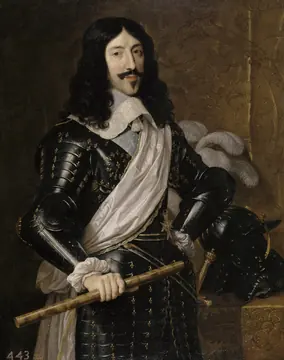 1610–1643
Louis XIII
the JustThe son of Henry IV, Louis XIII became king at eight, in 1610. In 1617 he seized power by pushing his mother aside. From 1624 he governed with Cardinal Richelieu: they brought the Protestants and the great lords to heel and took France into the Thirty Years’ War. He died in 1643, five years after the birth of Louis XIV.
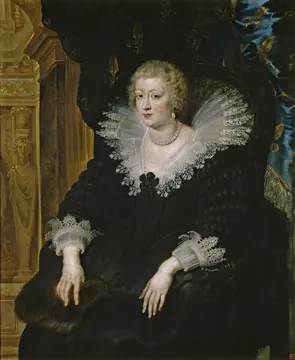 1615–1643, 1643–1651
Anne of Austria
The daughter of the king of Spain, Anne of Austria married Louis XIII in 1615. After twenty-three childless years she gave birth to Louis XIV in 1638, then to Philippe of Orléans. Regent from 1643 to 1651, she governed with Cardinal Mazarin and held firm during the Fronde, the revolt of the parlements and the princes.
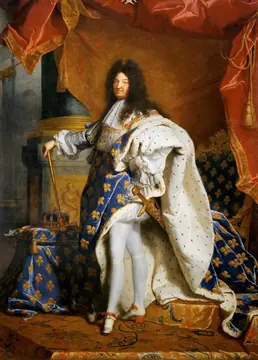 1643–1715
Louis XIV
the Sun KingKing at four, Louis XIV reigned from 1643 to 1715, the longest reign in French history. From 1661 he governed alone, without a chief minister. He made Versailles the centre of power and the arts, enlarged the kingdom through long wars, but revoked the Edict of Nantes and left an exhausted country.
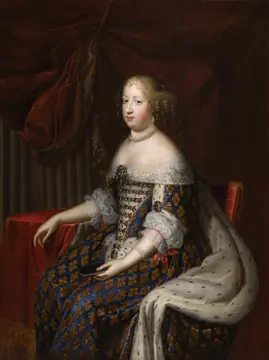 1660–1683
Maria Theresa of Spain
The daughter of King Philip IV of Spain, Maria Theresa married her cousin Louis XIV in 1660, at Saint-Jean-de-Luz, to seal the peace between France and Spain. A discreet and pious queen, she had six children, of whom only one survived: the Grand Dauphin. She died at Versailles in 1683.
 1715–1774
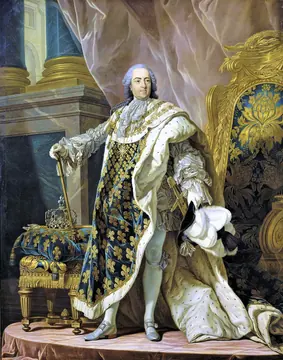
Louis XV
the BelovedLouis XIV’s great-grandson, Louis XV reigned from 1715 to 1774. After the Regency and Cardinal Fleury’s government, he ruled in his own right from 1743. His reign saw France prosper and the ideas of the Enlightenment spread, but also the loss of Canada and India in 1763. He died unpopular.
 1725–1768
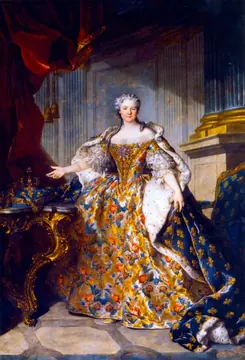
Marie Leszczyńska
The daughter of Stanisław Leszczyński, a deposed king of Poland, Marie married Louis XV in 1725: she was twenty-two, he fifteen. She gave him ten children, including the Dauphin Louis, father of three kings. Pious, charitable and discreet, she remained queen for forty-three years, until her death in 1768.
 1774–1791, 1791–1792
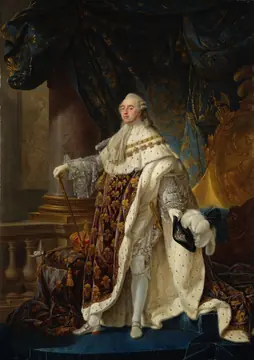
Louis XVI
Louis XV’s grandson, Louis XVI became king in 1774, aged nineteen. He attempted reforms and supported the American War of Independence, but failed to solve the financial crisis. In 1789 the meeting of the Estates General opened the Revolution. A constitutional king in 1791, overthrown in 1792, he was guillotined on 21 January 1793.
 1774–1792
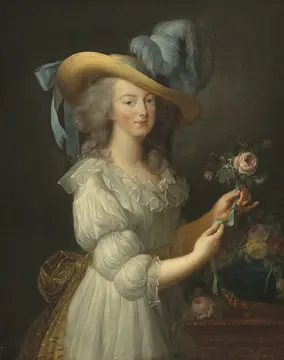
Marie Antoinette
The daughter of Empress Maria Theresa of Austria, Marie Antoinette married the future Louis XVI in 1770, at fourteen. Queen in 1774, she led a life of entertainments and retreated to the Petit Trianon, which made her deeply unpopular. During the Revolution she backed the king’s resistance. She was guillotined on 16 October 1793.
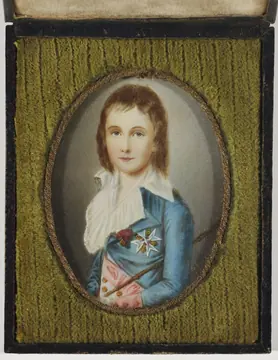 Never reigned
Louis XVII
the child of the TempleThe second son of Louis XVI and Marie Antoinette, Louis-Charles became Dauphin in 1789 when his elder brother died. Imprisoned with his family in the Temple in 1792, he was regarded by royalists as King Louis XVII after his father’s execution. Separated from his mother, isolated and ill-treated, he died in prison in 1795, aged ten.
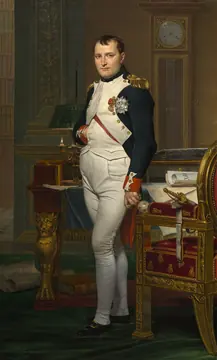 1804–1814, 1799–1804, 1815
Napoleon I
the Little CorporalA Corsican officer trained in the king’s military schools, Napoleon Bonaparte made his name during the Revolution with his victories in Italy. He seized power in a coup in 1799, became First Consul and then Emperor of the French in 1804. He created the Civil Code, the prefects and the lycées, and dominated Europe until the disastrous Russian campaign. Exiled to Elba in 1814, he returned for the Hundred Days, was beaten at Waterloo and died on Saint Helena in 1821.
 1804–1809
Joséphine de Beauharnais
Empress JoséphineBorn in Martinique, Rose Tascher de La Pagerie first married Viscount Alexandre de Beauharnais, who was guillotined in 1794. She herself narrowly escaped the Terror. In 1796 she married General Bonaparte, who called her Joséphine. Crowned empress in 1804, she was set aside in 1809 because she had not given Napoleon an heir. She died at Malmaison in 1814.
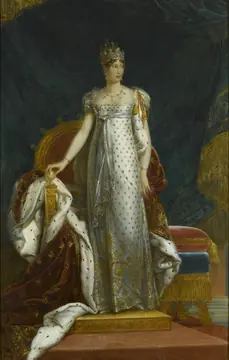 1810–1814, 1813–1814, 1816–1847
Marie Louise of Austria
The daughter of the Emperor of Austria, Marie Louise married Napoleon in 1810, a few months after his divorce from Joséphine. She gave him a son in 1811, the King of Rome, and served as regent in 1813–1814. After the fall of the Empire she returned to Austria with her son and never saw Napoleon again. She then ruled the Duchy of Parma until her death in 1847.
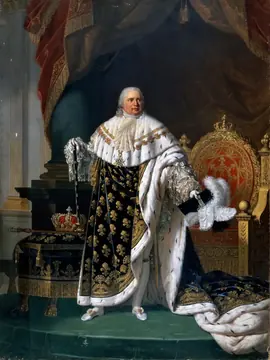 1814–1815, 1815–1824
Louis XVIII
the DesiredLouis XVI’s younger brother, the Count of Provence fled the Revolution in 1791. In exile, he proclaimed himself king in 1795, when Louis XVII died. He only truly took the throne in 1814, after Napoleon’s abdication, and granted the French a constitutional Charter. Driven out by Napoleon’s return in 1815, he came back after Waterloo and reigned until his death in 1824.
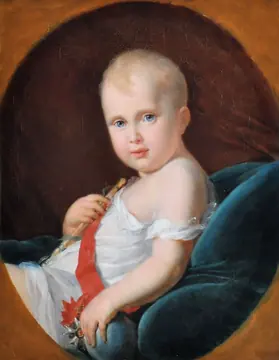 Never reigned
Napoleon II
the Eaglet, the King of RomeThe son of Napoleon and Marie Louise, Napoléon François was born in 1811 and given the title King of Rome. Taken to Austria by his mother in 1814, he grew up there as the Duke of Reichstadt. When his father abdicated for the second time, in June 1815, he was proclaimed emperor, but he never reigned. He died of tuberculosis at Schönbrunn in 1832.
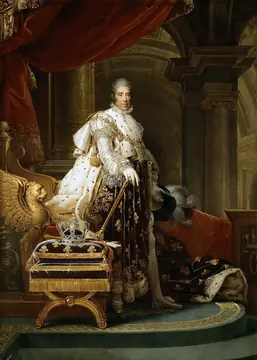 1824–1830
Charles X
The youngest brother of Louis XVI and Louis XVIII, the Count of Artois emigrated as early as July 1789 and became the leader of the most uncompromising royalists. King in 1824, he was crowned at Reims in 1825. His ordinances of July 1830, which restricted freedom of the press and the right to vote, sparked the Three Glorious Days. He abdicated and ended his life in exile.
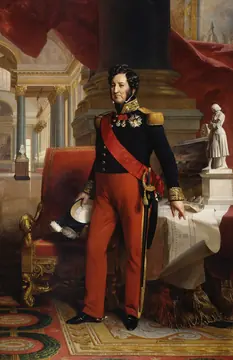 1830–1848
Louis Philippe I
the Citizen KingThe son of the Duke of Orléans known as Philippe Égalité, Louis Philippe fought in the armies of the Revolution before a long exile. Brought to power by the July Revolution of 1830, he took the title of King of the French and reigned alongside Parliament. After eighteen years, a new revolution drove him out in February 1848; he died in England in 1850.
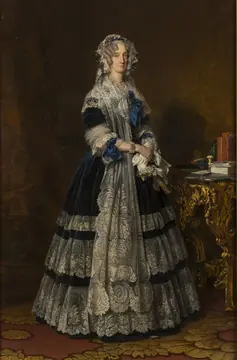 1830–1848
Maria Amalia of Naples and Sicily
A princess of Naples and Marie Antoinette’s niece, Maria Amalia married Louis Philippe of Orléans in 1809, when he was in exile. She became Queen of the French in 1830. Discreet in politics, she devoted herself to her family and to charity. After the 1848 revolution she followed her husband to England, where she died in 1866.
 1852–1870, 1848–1852
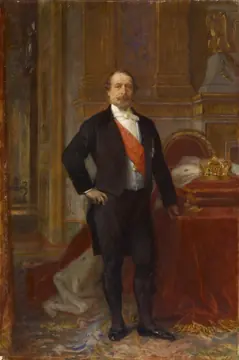
Napoleon III
Louis-NapoléonA nephew of Napoleon I, Louis Napoléon Bonaparte made two failed coup attempts before being elected President of the Republic in December 1848, by universal male suffrage. Through the coup of 2 December 1851 he took full power, and he became emperor the following year. The Second Empire modernised France, but the war against Prussia brought it down in 1870.
 1853–1870, 1870
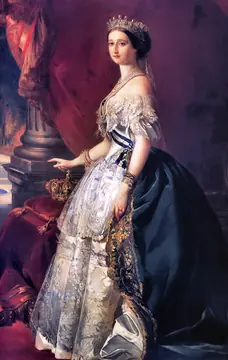
Eugénie de Montijo
Empress EugénieBorn in Granada, Eugénie de Montijo married Napoleon III in 1853. Famous for her elegance, she gave birth to the Prince Imperial in 1856 and acted as regent three times. At the fall of the Empire in 1870 she fled to England. She lost her husband in 1873 and her son in 1879, and died in Madrid in 1920.
No ruler matches these criteria.
Ruler of the day
Every day, a king, a queen or an emperor to discover.
Understand, see, play
Dynasties
Six families, from Clovis to Napoleon III, with interactive family trees.
Timeline
Fourteen centuries of reigns and great events on a single line of time.
Map
Watch the kingdom grow, from Paris and Orléans to Savoy and Nice.
Symbols
The coronation, the crown, the fleur-de-lis, the oriflamme, the Dauphin…
Places
Reims, Saint-Denis, the Louvre, Chambord, Versailles: where the kings lived.
Games
Who am I? Nicknames, the right number, the timeline…
Kids’ version
Simple stories, a magnifier to explore the portraits, an identity card and a quiz: every king and queen has a page for children.